
Follow Me On Social Media!

19 Minimalist Small Living Room Designs That Feel Spacious

19 Minimalist Small Living Room Designs That Feel Spacious
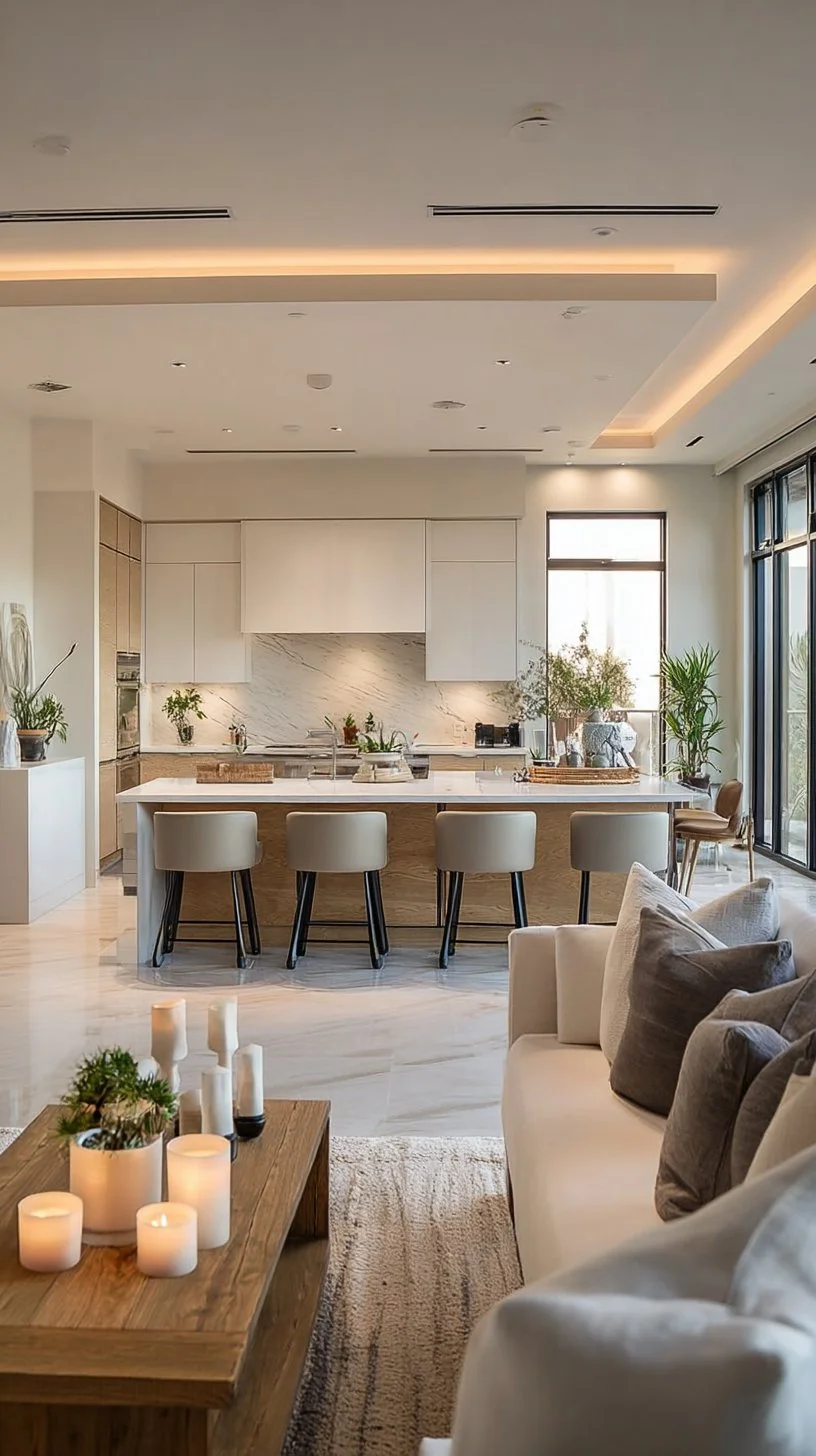
Minimalist small living room designs that feel spacious embody a harmony of style, functionality, and sophistication. In today’s fast-paced world, where space often comes at a premium, crafting a comfortable and visually appealing living space can seem challenging. The good news is that with thoughtful design choices and a minimalist approach, even the tiniest of rooms can feel airy and open.
What Makes This Recipe Stand Out
The beauty of minimalist small living room designs lies in their ability to create an illusion of space and tranquility. This design philosophy emphasizes a decluttered aesthetic, focusing instead on quality over quantity. Each piece of furniture is carefully selected, often reflecting clean lines, neutral palettes, and intentional decor choices.
Such an approach not only appeals to those who favor simplicity but also those who wish to create a retreat from the chaos of daily life. A well-executed minimalist design promotes a sense of peace, making your small living room a cozy haven rather than a cramped area filled with excess. It encourages mindfulness, as each item serves a purpose and resonates with personal style.
Moreover, this design trend acknowledges the importance of natural light, strategically utilizing windows and reflective surfaces to enhance brightness. By integrating elements that evoke warmth and calmness, a minimalist small living room not only feels spacious but becomes an inviting space where one can relax and unwind.
Ultimately, minimalist small living room designs that feel spacious present an opportunity to innovate and transform limited areas into insightful examples of modern living.
Ingredient Breakdown
- Furniture Selection: Chairs, couches, tables, and storage.
- Color Palette: Neutral tones such as white, beige, gray, or pastel shades.
- Decorative Accessories: Minimalist art, plants, and mirrors.
- Lighting: Natural light sources, floor lamps, or wall sconces.
- Texture Elements: Fabrics like cotton, linen, and wood finishes.
When conceptualizing minimalist small living room designs that feel spacious, each ingredient plays a pivotal role. The choice of furniture becomes critical. Opting for modular or multi-functional pieces can maximize usability while maintaining a sleek appearance. For instance, a sofa bed serves double duty as seating and sleeping space, ideal for those with limited square footage.
The color palette is equally important, aiming for lighter shades that reflect rather than absorb light. Think of soft cream walls complemented by cool gray accents—this combination can make the walls seem further away than they are. Adding a splash of pastel can introduce warmth without overwhelming the senses.
Emphasizing decorative accessories allows for personal expression without cluttering the visual space. Pieces like a single, striking artwork or a carefully placed potted plant can add character while adhering to minimalist principles. Opting for a mirror can amplify natural light by creating a sense of depth.
In terms of lighting, priority should be given to maximizing natural sources. If that’s limited, selecting a few chic floor lamps or wall sconces can enhance the ambience while keeping the area feeling open.
Lastly, consider incorporating texture elements through carefully chosen materials. Using cotton and linen for cushions, paired with wooden finishes for furniture, can add warmth and comfort, encouraging relaxation in your minimalist retreat.
Step-by-Step Preparation for Minimalist Small Living Room Designs
Step One: Assess Your Space
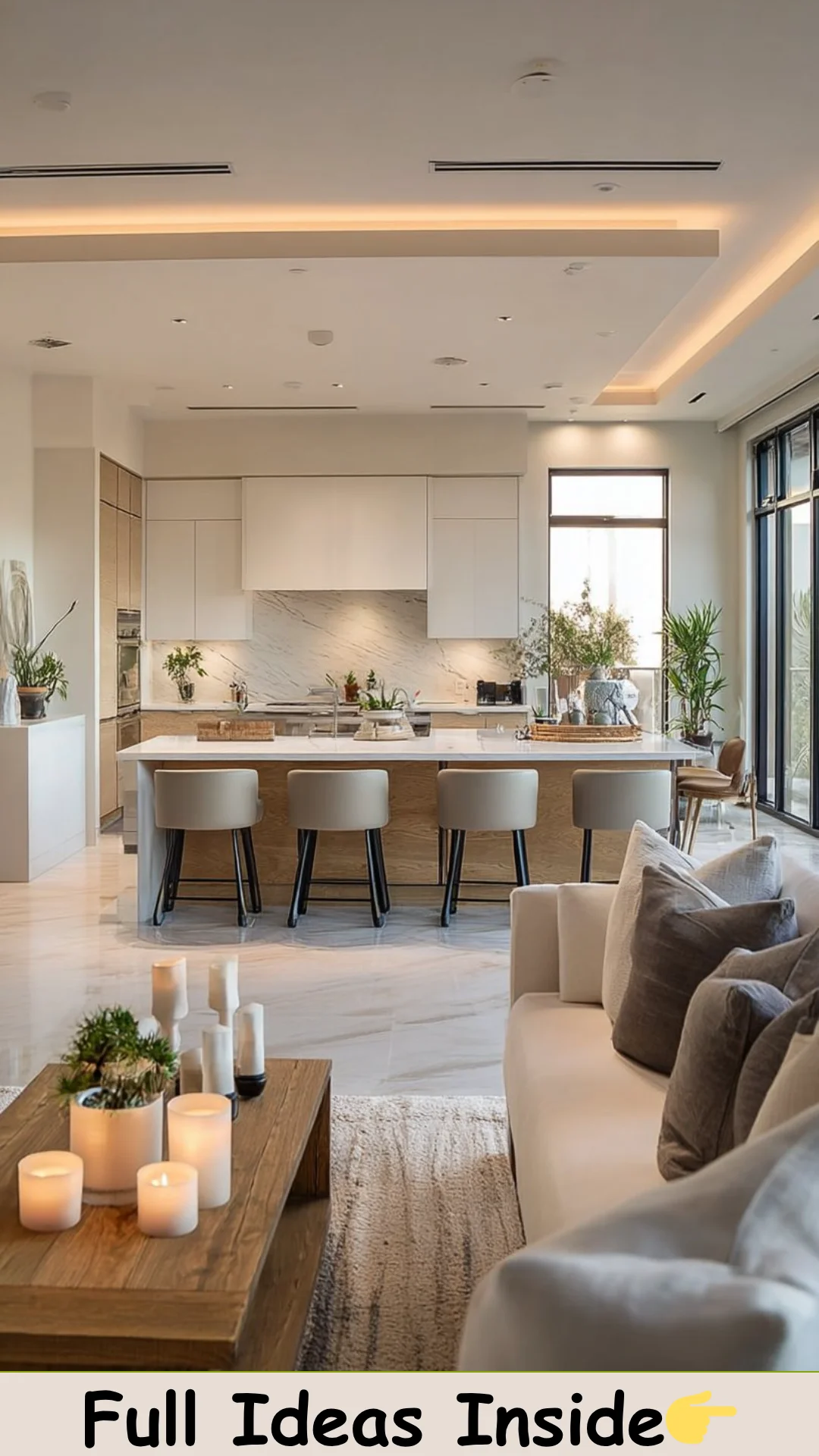
The initial step in designing your minimalist small living room involves carefully assessing your available space. Take the time to understand the room’s dimensions and flow. This assessment allows you to identify any potential obstacles and helps to visualize where furniture can be placed for optimal use. Start by measuring your furniture pieces and considering how they fit into your layout. It’s essential to feel the space; thus, visualize the arrangement by moving furniture around, or sketching a layout to see how each piece interacts.
Step Two: Choose Your Furniture Wisely
Once you ascertain room dimensions, the next step is furniture selection. Choose pieces that epitomize simplicity—aim for streamlined designs devoid of excessive ornamentation. This includes sofas with straight backs, tables with clean edges, and accent chairs that complement the overall theme without overwhelming it. Remember, every element should not just serve a purpose but also contribute to the ambiance. Aim for multi-functional items to maximize usability, such as wishing for a coffee table that doubles as storage or a slim console table that functions as a workspace.
Step Three: Establish a Cohesive Color Palette
With the furniture set in mind, now it’s time to curate a color palette that promotes a peaceful atmosphere. Stick to a blend of neutrals, with variations in texture and shades to keep things visually interesting without falling into chaos. Paint walls in soft white, cream, or pale gray to enhance light absorption. Complementing these with subtle accessory colors can instill vitality without creating clutter. While maintaining a minimalist approach, allow some room for personal flair through the careful selection of throw pillows or art.
Step Four: Let There Be Light
The last pivotal step is to ensure that the room is well-lit. Harness natural light whenever possible; sheer curtains can diffuse harsh rays, allowing soft light to permeate. Strategically place mirrors to reflect light around the room, giving an illusion of openness. Utilize additional lighting sources judiciously. Floor lamps or wall sconces should harmonize with your overall decor rather than detract from it. Aim for adjustable lighting that can shift from bright to ambient, ensuring your space serves its purpose at any time of day.
Full Cooking Directions
Designing a minimalist small living room begins with a comprehensive understanding of the available space. Begin by clearing out all unnecessary items, decluttering until the area feels more open. Once the space feels fresh, measure the dimensions of the room. This will help you determine the scale and layout for your furniture choices.
Next, focus on selecting furniture. Choose pieces with clean lines and functionality; this could mean investing in a sleek, low-profile sofa or a compact coffee table. Each piece should embody the principles of minimalism while reflecting your personal taste. You want to create a harmonious environment where everything serves a purpose.
After establishing your foundational furniture, the next step is to paint the walls. A light color will make your small living room feel more expansive while creating a neutral canvas for your decor. Remember that mood is essential; this backdrop allows for the pops of color that come with well-placed art or accent pieces.
Lastly, attention to lighting will drastically change your room. Ensure plenty of natural light is available during daytime hours, and use layered lighting to keep the space inviting after sundown. As a final touch, add a few carefully chosen accessories that resonate with you to personalize your space while adhering to the minimalist aesthetic.
Pro Tips & Extra Guidance
To elevate your minimalist small living room designs further, follow these tips:
-
Go Vertical: Utilize wall space for shelving to minimize clutter on floors and tables. This can also draw the eye upwards, enhancing the feeling of space.
-
Mix Textures: While adhering to a minimalist palette, integrate various textures to add depth. A knitted throw blanket can soften stark lines, creating visual interest without noise.
-
Use Multi-Functional Pieces: Look for furniture like ottomans that can serve as both seating and storage. This maximizes your space while maintaining the minimalist ethos.
-
Stay Understated: Avoid overwhelming the space with too many knickknacks. Instead, think of one or two statement pieces that can stand alone and enhance the aesthetic.
-
Regularly Reevaluate: A minimalist room thrives on intentionality. Regularly reassess your space and remove anything that no longer serves a purpose or resonates with you.
Best Practices for Storing & Reheating
When it comes to maintaining your minimalist small living room, effective storage is crucial. Invest in closed storage solutions to keep less attractive items hidden, allowing your space to breathe. Consider incorporating furniture that offers hidden compartments, like coffee tables with storage features.
Regular cleaning is essential to keep clutter in check. Create a routine that promotes tidiness, allowing for your minimalist design to shine. Avoid allowing items to accumulate in your living space, and consider an annual refresh, removing anything that no longer serves you.
For reheating or reusing elements within the room, consider adjusting lighting schemes or swapping decor pieces from other rooms. This keeps your space feeling fresh without needing a complete overhaul.
Common Questions Answered
What is minimalist design?
Minimalist design is a lifestyle approach characterized by simplicity, functionality, and intentionality in the choices of decor and furnishings.
How can I make my small living room feel larger?
You can create the illusion of a larger space by opting for lighter color schemes, proper lighting, and multi-functional furniture.
Should I forego all decorative pieces?
Not necessarily. While minimalism encourages simplicity, you can include carefully selected decorative items that bring you joy and resonant with the overall aesthetic.
Can I combine styles within a minimalist design?
Yes, combining certain elements from different styles can work, provided they align with your minimalist goals and do not overpower the space.
How often should I declutter my small living room?
Aim for a regular decluttering habit, revisiting the space seasonally to keep it feeling fresh and purposeful.
Is it possible to feel cozy in a minimalist room?
Absolutely. Minimalist design focuses on a tranquil environment, which can indeed be cozy when complemented with the right textures and lighting.
What are the best materials for minimalist design?
Natural materials such as wood, linen, and cotton work well within minimalist aesthetics, adding warmth and comfort to the space.
Final Thoughts + Call to Action
Minimalist small living room designs that feel spacious provide an opportunity for creativity and personal expression while helping you maintain a peaceful sanctuary in your home. As you embark on your design journey, embrace the principles of simplicity and intentionality. Remember, every piece counts, and each decision shapes your living space into one you can truly enjoy. Don’t hesitate to explore and experiment with your design; your minimalist small living room awaits! Consider sharing your journey online or with friends; your experience can inspire others to transform their spaces.