
Follow Me On Social Media!

Warm Japandi Living Room Design Inspiration

Warm Japandi Living Room Design Inspiration
Warm Japandi Living Room Design Inspiration captures the essence of a serene yet sophisticated aesthetic by blending the simplicity of Japanese design with the rustic warmth of Scandinavian style. The harmonious marriage of these two design philosophies yields spaces that are not only visually pleasing but also imbue a sense of calm and comfort.
Creating a warm Japandi living room involves careful consideration of color palettes, furnishings, and textures that promote tranquility and understated elegance. Designers and homeowners alike are drawn to this style for its functional yet cozy layout, making it ideal for modern living.
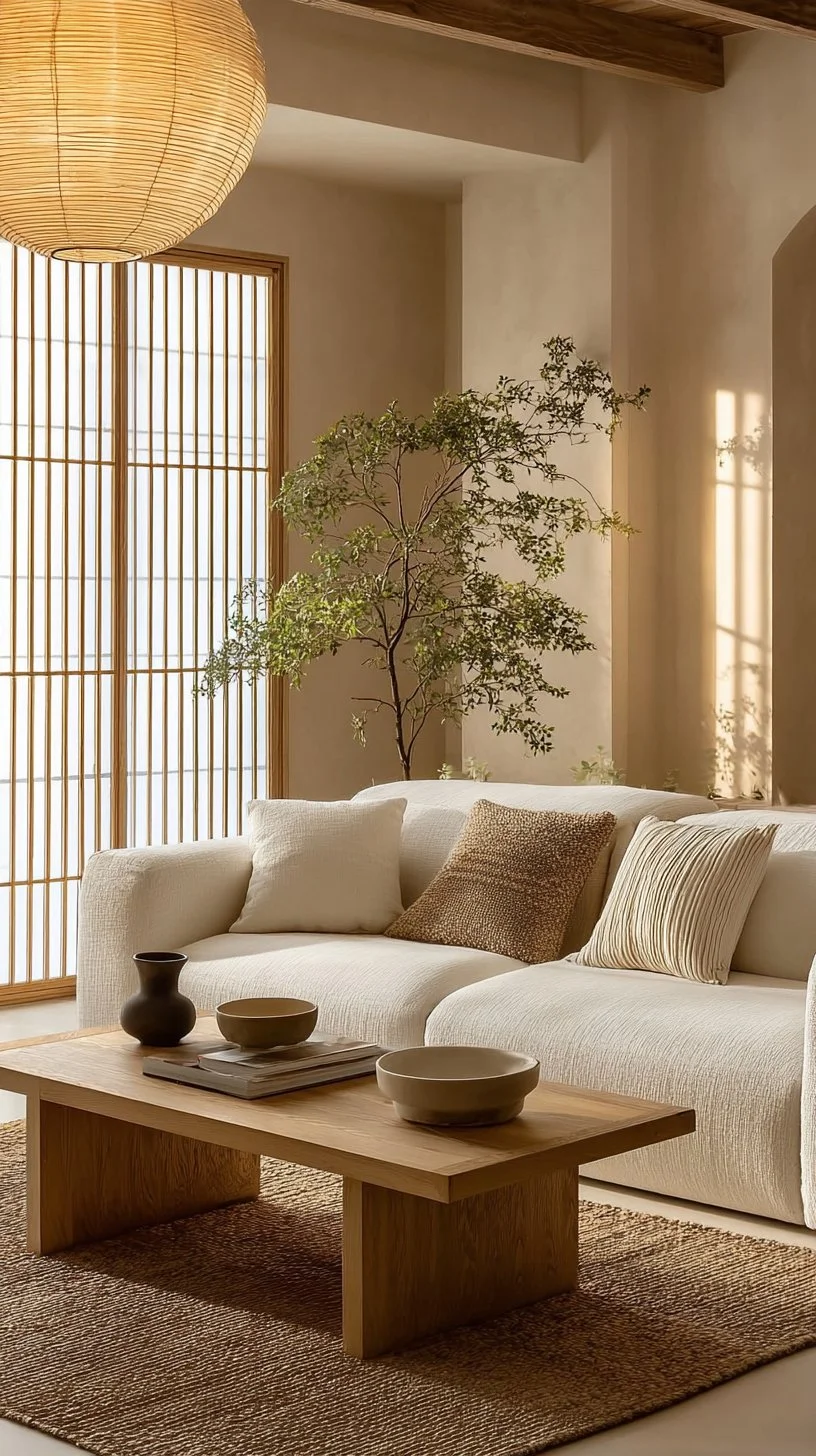
What Makes This Design Stand Out
The warm Japandi living room style stands out for several compelling reasons. First, it emphasizes the principles of minimalism and functionality. In a world often cluttered and chaotic, the clean lines and uncluttered spaces intrinsic to the Japandi aesthetic invite a focus on what truly matters. This approach not only reduces stress but also promotes a sense of well-being, which is increasingly vital in our fast-paced lives.
Second, the warm color palette often found in Japandi design further enhances its appeal. Shades of beige, soft browns, muted greens, and gentle whites create an inviting atmosphere, fostering a sense of peace and relaxation. These hues serve as a foundation, enabling various textures and materials to shine without overwhelming the senses.
Additionally, the emphasis on natural materials, such as wood and organic textiles, connects the living space to nature. This integration is essential for creating a restful environment that feels both grounding and inviting. Natural light plays a significant role, too, as it brings warmth into the design, enhancing the overall ambiance while creating a seamless connection between indoor and outdoor spaces.
Moreover, warm Japandi living rooms prioritize comfort alongside aesthetics. Soft pillows, cozy throws, and strategically placed rugs blend functionality with style, ensuring that the space remains approachable and enjoyable for both residents and guests.
Each of these elements weaves together to form a living room that is not just a space to occupy, but a retreat that nurtures the spirit. The warm Japandi style beautifully balances aesthetic appeal with practicality, making it a go-to choice for those desiring a sophisticated yet tranquil home environment.
Ingredient Breakdown
To create an inviting warm Japandi living room, several key ingredients come together to form the perfect blend of aesthetics and functionality. Here’s what you’ll need to consider:
- Color Palette: Soft neutrals, warm earth tones, and muted pastels.
- Furniture: Low-profile, minimalist designs made from natural materials like wood or bamboo.
- Textiles: Natural fabrics such as linen, cotton, or wool for cushions, rugs, and curtains.
- Lighting: Simple, organic shapes that emit warm light, such as pendant lights and table lamps.
- Decor: Minimalistic artwork, plants, and decorative objects in organic materials.
Transforming these ingredients into a cohesive living space involves understanding their roles. The chosen color palette serves as the foundation, establishing an environment that feels calm and harmonious. Soft neutrals such as beige and taupe create a light and airy feeling, while earth tones bring a grounded warmth that invites comfort.
The furniture selection should prioritize low-profile designs that are functional yet visually unobtrusive. Natural materials like wood not only promote sustainability but add a tactile richness to the room that enhances the overall aesthetic. For example, a simple oak coffee table can act as a central piece, drawing the eye while maintaining the understated elegance characteristic of Japandi style.
Textures play a crucial role, too; consider incorporating a range of textiles throughout the room. Elements like a plush wool rug, linen throw pillows, and a lightweight cotton blanket can elevate the comfort factor while keeping with the minimalist design. These layers invite touch and provide visual interest without straying into chaos.
Natural lighting must also not be overlooked. Emphasizing windows that allow soft, natural light to filter in can transform any living room into a bright, welcoming space. Simple light fixtures in organic shapes can expertly complement the design, casting a warm glow that enhances the tranquil ambiance.
Decor elements should be thoughtfully curated. Aim for a few carefully selected pieces, such as minimalistic artwork depicting serene landscapes or geometric shapes, that tie back to the overall design philosophy. Adding plants, such as a potted fern or a snake plant, can further merge indoor spaces with nature, purifying the air while adding greenery and life to the living area.
| Element | Purpose | Example |
|———————–|——————————————–|—————————–|
| Color Palette | Sets the mood | Soft neutrals, earth tones |
| Furniture | Functional & aesthetic | Low-profile wooden couch |
| Textiles | Adds coziness | Linen pillows, wool rugs |
| Lighting | Enhances ambiance | Organic-shaped pendant lights |
| Decor | Personalizes space | Minimal art, indoor plants |
A warm Japandi living room isn’t just about the components; they work together to create a harmonious atmosphere that nurtures both functionality and style. With careful planning and selection of these essential ingredients, your living space can transform into a sanctuary of tranquility.
Step-by-Step Preparation for Your Warm Japandi Living Room
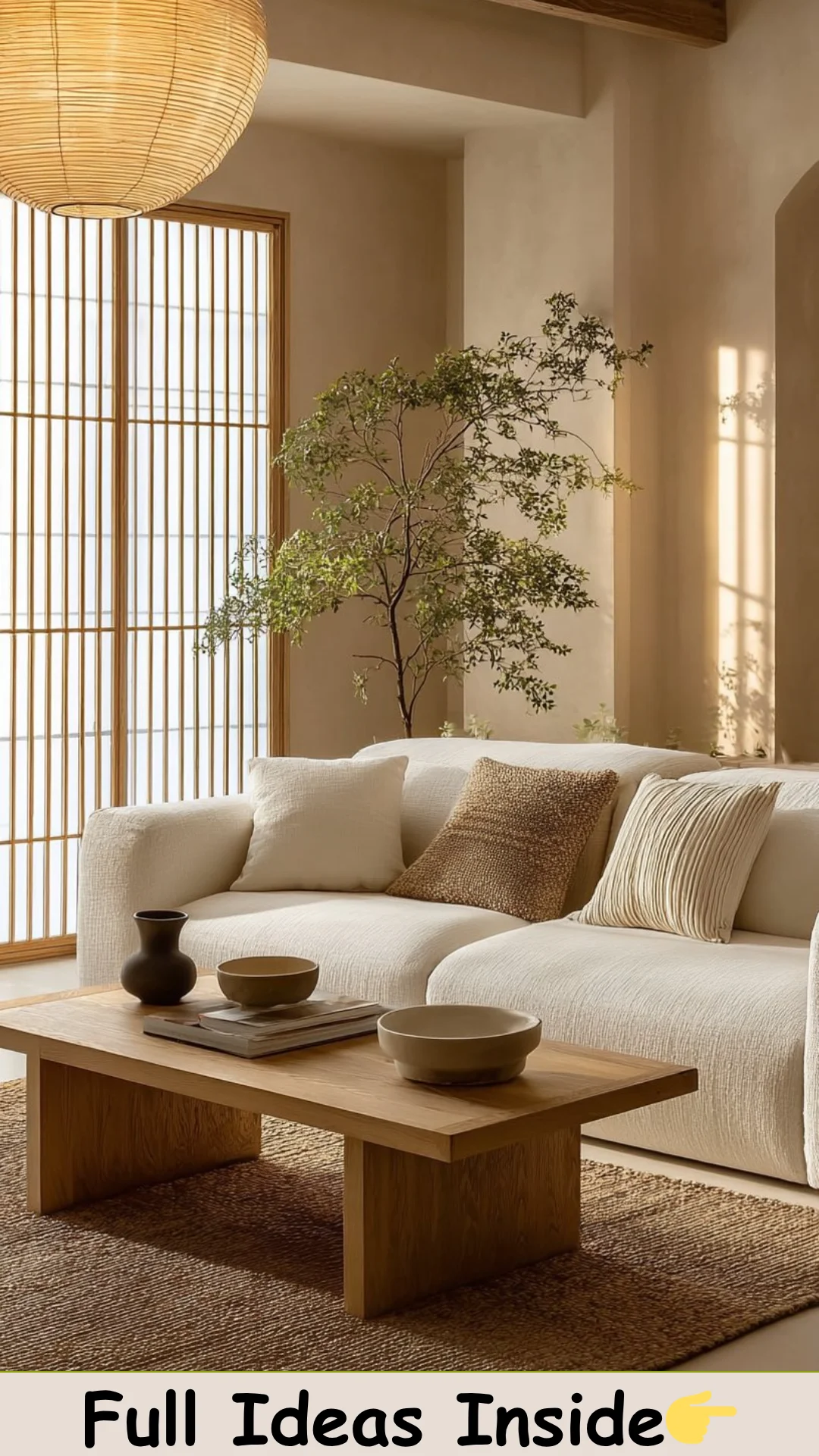
Step One: Establishing Your Color Palette
Begin by determining the color palette for your living room. The foundation of the warm Japandi style is a calming, earthy blend of soft neutrals and pastels. Start by selecting two to three base colors that resonate with you, such as soft beige, muted greens, or warm grey tones. Consider using paint chips or color swatches to visualize how these shades will come together on your walls and furnishings.
Once you have your base colors, choose complementary shades for accents. This groundwork sets the tone for everything that follows—your furnishings, textiles, and decorative elements will all harmonize around this palette to create a cohesive, relaxing environment.
Step Two: Selecting Key Furniture Pieces
With your color scheme solidified, focus on selecting key furniture pieces that embody the Japandi philosophy. Begin with a low-profile sofa that offers both comfort and style; opt for one in a neutral fabric that aligns with your color palette. Add a coffee table—consider one with clean lines made from warm wood to add texture and an inviting feel.
Don’t forget to incorporate functional elements like bookshelves or console tables that might double as display surfaces for plants or decorative items, further enhancing the organic charm. Make sure to leave space around furniture pieces to keep the area feeling open and airy, avoiding a cluttered look.
Step Three: Incorporating Textiles
Next, weave in layers of textiles to enhance the warmth and comfort of the space. A plush area rug can anchor the furniture and add warmth underfoot; look for one made from natural fibers like wool or sisal. Complement your sofa with a mix of cushions, utilizing different textures such as linen or cotton in your chosen color palette.
Additionally, consider lightweight curtains that allow natural light to filter through gently while providing privacy when needed. These textile choices will imbue your space with a sense of coziness, making it a sanctuary for relaxation and connection.
Step Four: Finishing Touches and Decor
Now that your foundational elements are in place, focus on the finishing touches to personalize and complete your warm Japandi living room. Start by selectively adding decor items—a few minimalistic artworks or sculptures can serve as focal points without overwhelming the space.
Incorporate indoor plants to enhance the connection with nature; opt for varieties that thrive indoors, such as peace lilies or snake plants. Finally, invest in lighting fixtures that radiate warmth and complement your design. Pendant lights with organic forms or soft table lamps can create an inviting ambiance, completing your serene living area.
Full Cooking Directions —
The process of creating a warm Japandi living room is more than an assembly of furniture and decor; it’s about crafting an atmosphere of tranquility and functionality that speaks to your personal style. Begin by assessing your existing space. Take notes on how light enters your living room and the areas that might feel more crowded or darker; this awareness informs your design decisions.
Once you have your color palette and furniture selections identified, it’s time to prep the room for its transformation. Clear out outdated items, and clean the surfaces thoroughly. This refreshing step will help you visualize the new design and give you a blank canvas to work with.
Proceed by painting walls in your chosen base colors, applying uniform strokes for a smooth finish. While the paint dries, assemble your chosen furniture pieces. Position them strategically to promote both movement and conversation within the space. Arranging with intention maximizes functionality, allowing the room to be both beautiful and usable.
As you layer in your textiles, be sure to distribute them evenly throughout the space. This prevents any one area from feeling too heavy or imbalanced while ensuring the room emanates warmth and comfort. Keep in mind that the interplay of textures contributes significantly to the overall allure of your living room.
Finally, as you add decorative elements, take a minimalist approach to inspire simplicity and calm. The goal is to have each piece serve a purpose while also carrying a personal significance. Completing this process will culminate in a warm Japandi living room that reflects a sense of peace, invites relaxation, and becomes a delightful hub for gatherings.
Pro Tips & Extra Guidance
To ensure that your warm Japandi living room turns out beautifully, consider these pro tips:
-
Focus on Quality over Quantity: Invest in fewer, high-quality pieces that will stand the test of time rather than filling the room with multiple low-cost items. Each piece should reflect your aesthetic and serve a purpose.
-
Bring in Natural Elements: Incorporating wood, stone, and plants adds warmth to the space and connects it with nature. Look for furniture with raw finishes or decor pieces made from organic materials.
-
Use Layering Techniques: Layering textures adds depth and interest. Combine various fabrics and materials rather than relying on a single type to create a visually engaging environment.
-
Sustainable Choices: Embrace sustainability by sourcing eco-friendly materials and products. Look for furniture made from reclaimed wood or decor crafted from sustainable practices.
-
Embrace Negative Space: In Japandi design, less is often more. Keep areas uncluttered, allowing negative space to breathe and enhance the overall serene atmosphere of the room.
Best Practices for Storing & Reheating
Maintaining the freshness and integrity of a warm Japandi living room primarily revolves around organization and thoughtful storage. Regularly declutter surfaces and ensure that everything has a designated place, further promoting the airy, minimalist design.
Utilize multifunctional furniture; choose coffee tables or ottomans with hidden storage options to stow away blankets, books, or decorative items when not in use. Invest in stylish baskets or decorative boxes that serve as both storage and decor pieces, keeping items immediately accessible yet tucked away neatly.
In terms of reheating or revitalizing your space, always address the textiles first—rotate rugs for even wear and check curtains for dust or discoloration, as they enhance the room’s inviting essence. When refreshing decor, change out seasonal pieces that bring new life to the living room, ensuring it always feels cozy and fresh.
Common Questions Answered
What is Japandi design?
Japandi design is a hybrid of Japanese and Scandinavian aesthetics, characterized by minimalism, natural materials, and a focus on functionality. It balances the calm simplicity of Japanese design with the warmth and coziness of Scandinavian style.
How do I incorporate plants in my Japandi living room?
Choose low-maintenance indoor plants that suit your light conditions. Opt for pots in natural materials or minimalist designs to keep with the aesthetic. Position them near light sources and balance plant placement throughout the room for visual harmony.
What color combination works best for a warm Japandi living room?
Soft neutrals, muted earth tones, and delicate pastel shades work beautifully. Aim for a cohesive palette that promotes a calm, serene environment. Experiment with a few accent colors as long as they align with your base palette.
How can I achieve a balanced minimalist look without it feeling sparse?
Focus on selecting meaningful decor items that resonate with you. Layer textiles for warmth and depth, and allow negative space to exist; this balance will promote a tranquil yet lived-in atmosphere.
What types of lighting should I use in a warm Japandi living room?
Choose lighting fixtures with organic designs, such as pendant lights or table lamps, that emit a warm glow. Dimmers allow you to adjust the ambiance according to the time of day and occasion, enhancing your living space’s mood.
Are there specific materials I should choose for a warm Japandi living room?
Natural materials like wood, stone, cotton, and linen are essential. These promote a grounding atmosphere and create a tactile experience when integrated into your design elements.
How do I maintain a warm Japandi living room over time?
Regularly declutter and reassess the arrangement of your furnishings and decor. Incorporate seasonal changes in textiles and greenery to keep the environment fresh and inviting.
Final Thoughts + Call to Action
Creating a warm Japandi living room design is not just about aesthetics—it’s about crafting a personal sanctuary that resonates with peace and functionality in every corner. By embracing the principles of this beautiful style, you invite warmth and serenity into your home. As you embark on this design journey, take your time to thoughtfully select each element and enjoy the process of transforming your space into a calming oasis. Warm Japandi living room design inspiration awaits you—let’s get started today!